


Project Overview
Designing and governing a high-scale, trust-led hiring experience on a vendor-led platform for IDFC First Academy required balancing strong employer branding with accessibility, compliance, and rapid hiring demands. The focus was on creating a consistent, credible candidate experience while working within platform constraints, ensuring clarity of roles, ease of discovery, and confidence throughout the application journey. This approach enabled the organization to maintain brand integrity and inclusivity while supporting aggressive hiring velocity, operational efficiency, and long-term scalability across multiple hiring programs.
PROBLEM
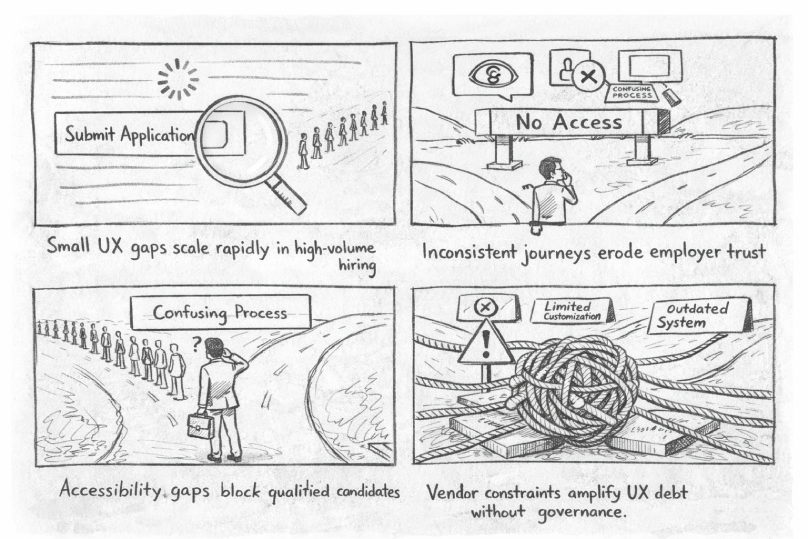
UX intent often diverged during vendor-led implementation, with rigid platform templates limiting flexibility in crafting meaningful experiences. A high dependency on external teams slowed iteration and reduced the ability to learn and adapt quickly. These constraints made it challenging to evolve the experience while maintaining momentum. The core challenge was enabling brand integrity, regulatory compliance, and speed to coexist without compromise.
GOAL
Establish clear executive ownership of UX intent from strategy through implementation while reducing operational dependency on vendors. The objective was to enable faster, safer iteration within platform constraints and ensure that all experiences shipped were compliant, on-brand, accessible, and scalable—without compromising delivery speed.
MY ROLE
As VP of UX I held end-to-end accountability for the experience vision, governance model, and delivery outcomes within the Phenom ecosystem. My role extended beyond design leadership into organizational enablement and executive decision-making—directing how UX strategy was defined, operationalized, governed, and signed off across internal teams and external partners. I acted as the final authority on experience decisions, ensuring alignment between business objectives, regulatory requirements, platform constraints, and user needs.
Responsibilities
- Defined experience strategy and UX direction for the career site and candidate journeys
- Governed vendors to ensure alignment with UX standards, accessibility, and banking compliance
- Established UX intake and decision frameworks to reduce ambiguity and rework
- Enabled business, product, and technology teams with clear UX processes and ownership
Understanding the Users
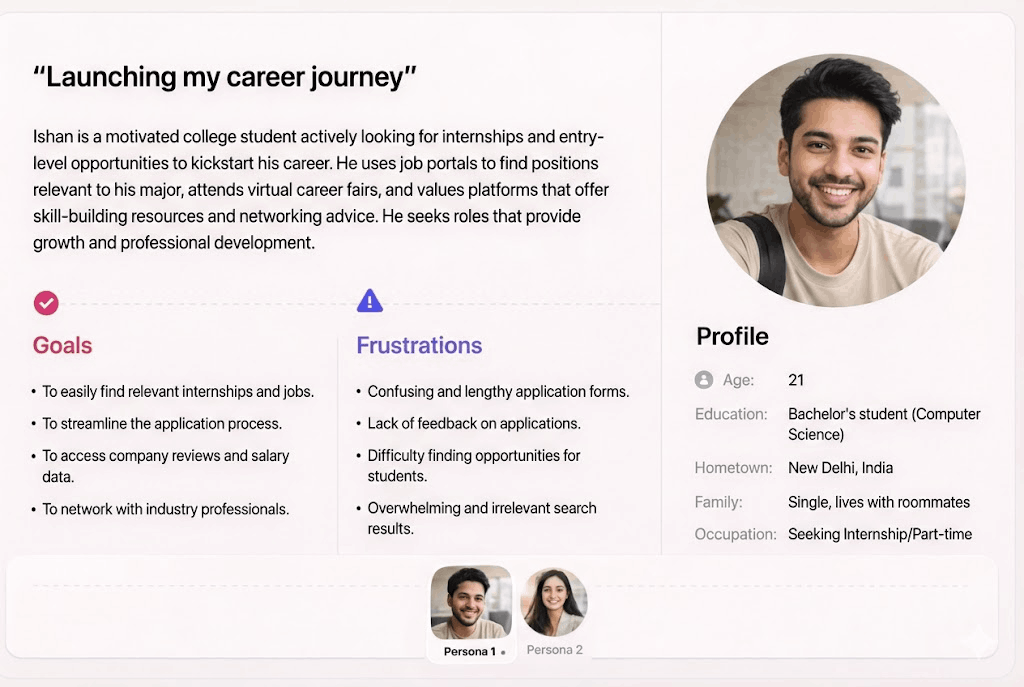
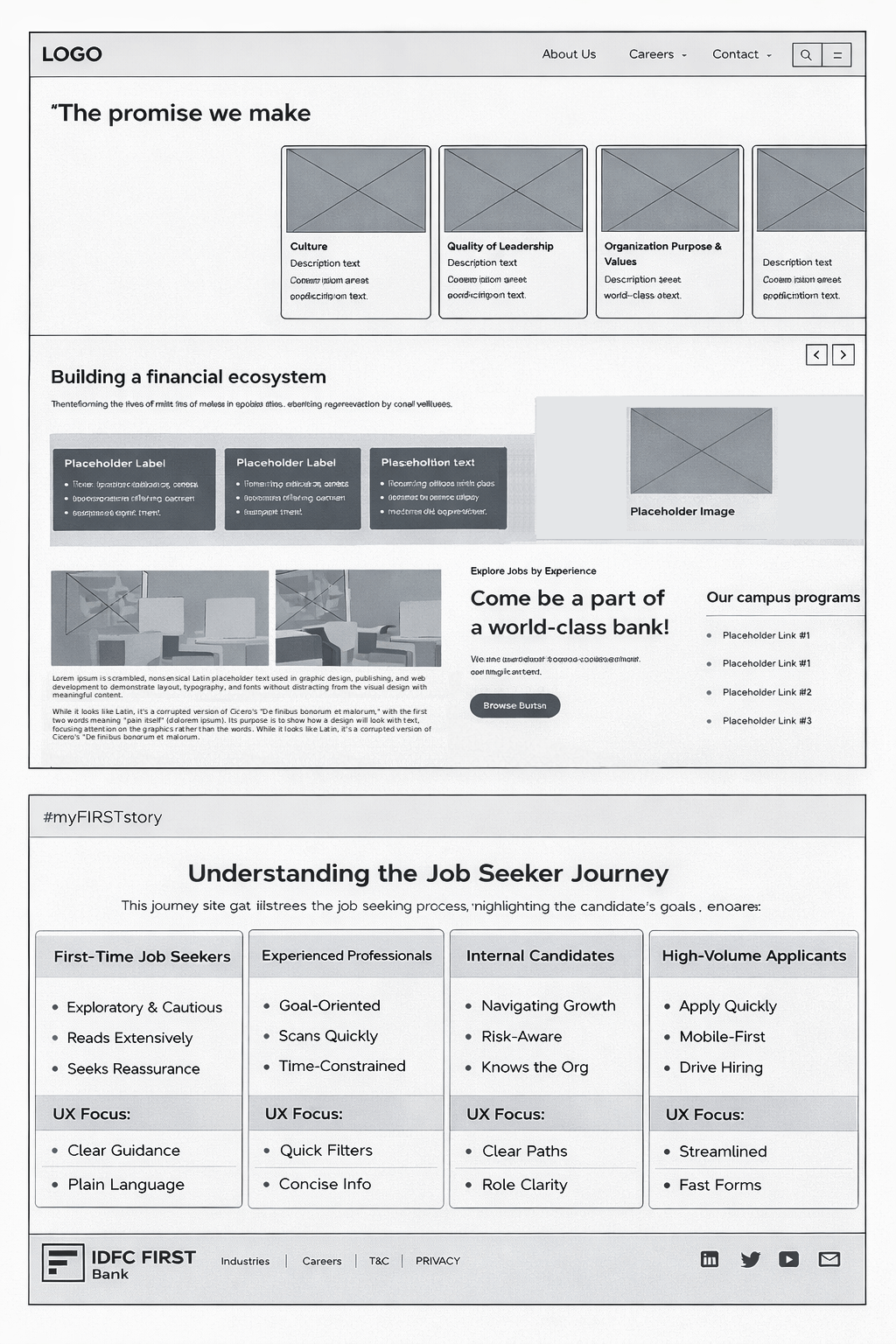
The career site was designed as a single, scalable system capable of serving diverse candidate needs without fragmenting the platform or increasing vendor complexity. User personas informed executive-level UX decisions around information hierarchy, interaction models, accessibility standards, and flow logic.
- First-time job seekers exploring opportunities
- Experienced professionals scanning relevance fast
- Internal candidates navigating role mobility
- High-volume applicants during hiring drives
Internal Candidates
- Exploratory & Cautious
- Reads Extensively
- Seeks Reassurance
UX Focus
- Clear Guidance
- Plain Language
Experienced Professionals
- Goal-Oriented
- Scans Quickly
- Time-Constrained
UX Focus
- Quick Filters
- Concise Info
High-Volume Applicants
- Apply Quickly
- Mobile-First
- Drive Hiring
UX Focus
- Streamlined
- Fast Forms
User Journey Map
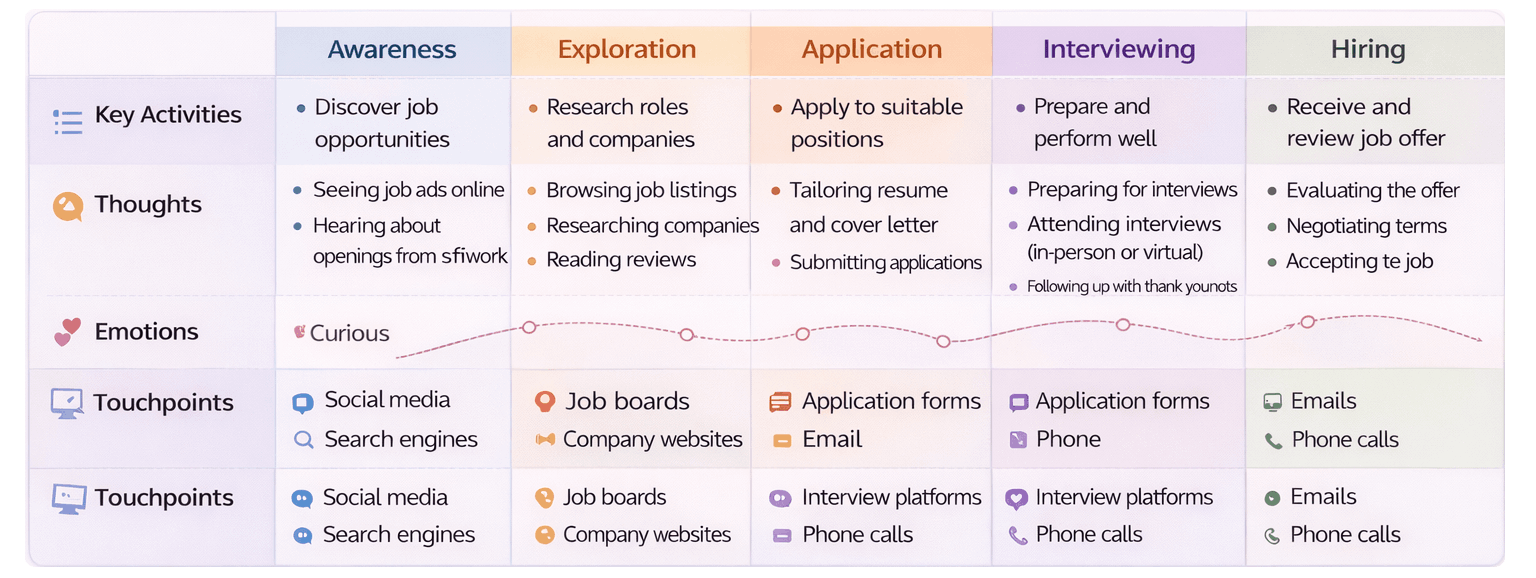
Candidates discover and evaluate roles based on clarity, relevance, and trust in the employer brand. They assess growth signals, eligibility, and role fit, then complete a frictionless application aligned to their context and device. Post-application communication and visibility play a critical role in shaping confidence and long-term employer perception.
STORYBOARDING
Storyboards were leveraged to isolate and validate the highest-impact moments in the candidate journey, ensuring early alignment across stakeholders and reducing downstream rework during vendor implementation.

APP MAP
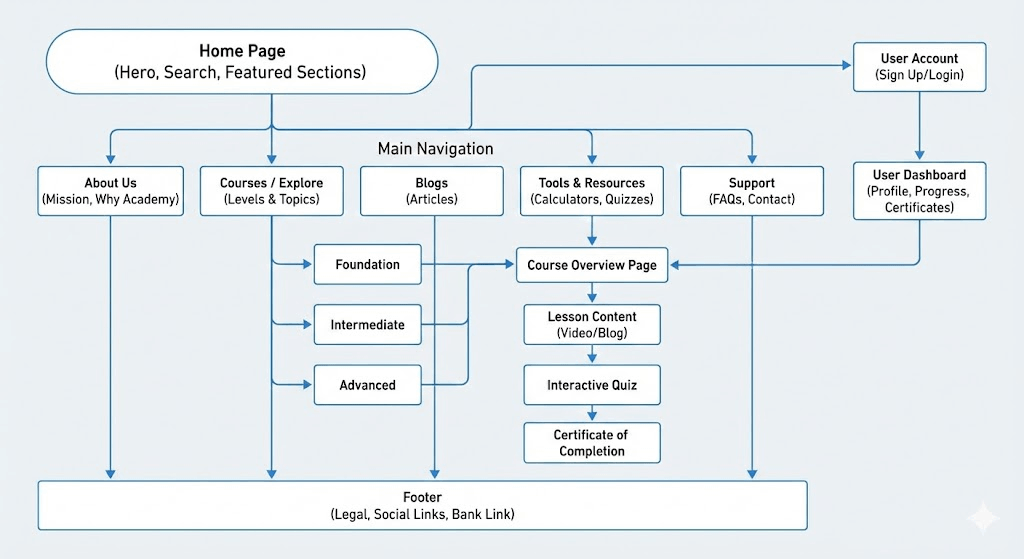
The application map was developed through guided brainstorming sessions, where I helped teams evaluate multiple structural approaches and converge on an information architecture that balanced simplicity, scalability, and usability across candidate journeys.
PAPER WIREFRAME
The application map was developed through guided brainstorming sessions, where I helped teams evaluate multiple structural approaches and converge on an information architecture that balanced simplicity, scalability, and usability across candidate journeys.

DIGITAL WIREFRAME
The application map was developed through guided brainstorming sessions, where I helped teams evaluate multiple structural approaches and converge on an information architecture that balanced simplicity, scalability, and usability across candidate journeys.
Usability Studies
Guided the team to conduct unmoderated usability research for the career site using a previously defined job-seeker persona to validate real-world behaviors and expectations. 6 participants matching the persona completed 5 critical tasks (job discovery, filtering, role details, application start).
The study generated 30+ qualitative insights, which were synthesized into 4 key themes aligned to persona needs, such as clarity of roles, navigation efficiency, and application confidence. These insights directly informed design refinements, reducing friction in the job-search journey and improving readiness ahead of launch.
Refining & Final UI
Final designs were reviewed and approved against defined UX guardrails, ensuring consistency across vendor execution, regulatory compliance, and brand expression. The outcome was a hiring platform governed as a long-term product system, not a series of isolated screens.
